-
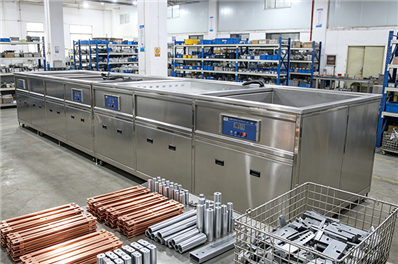 Automotive Parts Cleaning Equipment Manufacturer: Selecting the Right Ultrasonic Cleaning Partner
In the automotive industry, from engine components and transmission parts to braking systems and chassis elements, the cleanliness of parts is directly linked to performance, reliability, and safety. Manufacturing processes like machining, grinding, and s
-
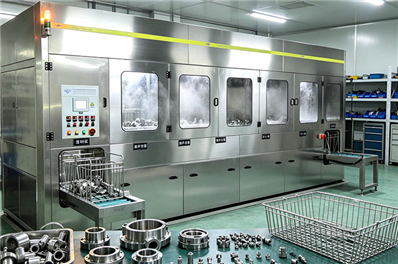 Industrial Ultrasonic Cleaning Machine: The Complete Solution for Manufacturing Precision Parts
In modern manufacturing, surface cleanliness is not merely an aesthetic consideration—it is a critical factor that directly impacts product performance, coating adhesion, and overall production yield. From automotive engine components and transmission par
-
 How to Thoroughly Remove Micro‑Pore Contaminants in Hydraulic Components? This Ultrasonic Equipment Has Become the Industry Standard
In hydraulic system manufacturing, there is a scenario that plays out repeatedly in quality inspection rooms: A valve body passes every dimensional check, assembles perfectly, and ships to the customer. Then, after a few hundred operating hours, the syste
-
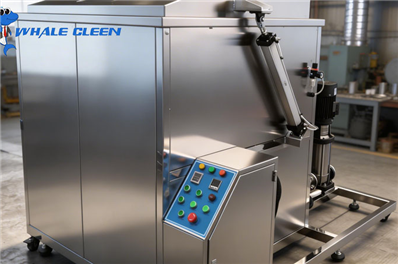 High-Volume Auto Parts Cleaning: Choosing the Right Ultrasonic Machine Saves Significant Costs
In the competitive world of automotive parts manufacturing, every minute and every cent counts. High-volume production of engine blocks, transmission housings, gears, shafts, and valve bodies demands not only precision machining but also equally precise a
-
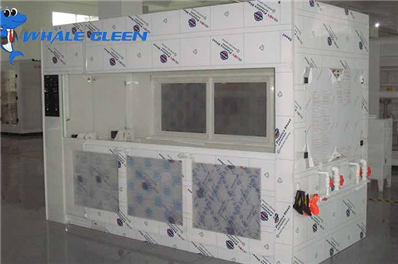 From Single‑Tank to Fully Automated: Where Is the Ceiling for Industrial Ultrasonic Cleaning Machines?
For decades, industrial cleaning was viewed as a necessary but straightforward step—a single tank of solvent, some ultrasonic waves, and a rinse. But as manufacturing tolerances have tightened and component complexity has increased, the question has shift
-
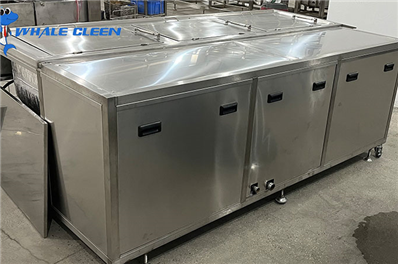 The Future of Manufacturing Cleaning: The Leading Role of Ultrasonic Cleaning Machines
Introduction As global manufacturing continues to evolve in the face of increasing demand for precision, efficiency, and sustainability, the role of industrial cleaning technologies becomes ever more crucial. Manufacturing companies are not only tasked
-
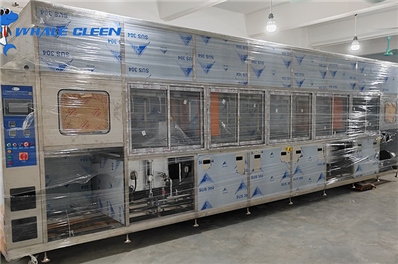 Practical Tips for Using Ultrasonic Cleaners in Automotive Repair
Ultrasonic cleaners are invaluable tools in the automotive repair industry, providing an efficient and effective method for cleaning intricate and hard-to-reach parts. Utilizing high-frequency sound waves to agitate a cleaning solution, ultrasonic cleaner
-
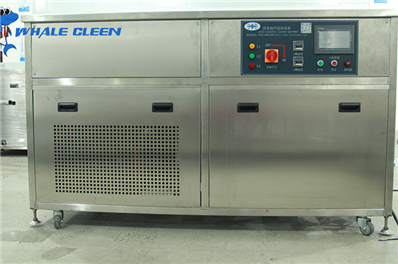 Ultrasonic Cleaning Equipment: The Ultimate Solution for Cleaning Metal Surfaces
In the industrial sector, maintaining the cleanliness of metal surfaces is paramount for ensuring the efficiency and longevity of machinery and components. Traditional cleaning methods often fall short in addressing the intricate requirements of metal sur
-
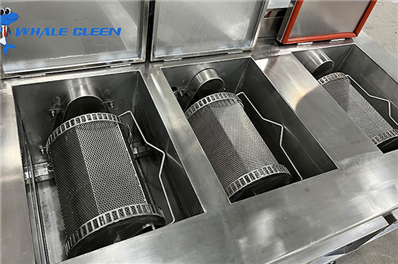 Ultrasonic Cleaning Equipment: The Optimal Choice for Enhancing Metal Surface Cleanliness
Maintaining the cleanliness of metal surfaces is a critical aspect in various industrial processes. Metal parts often require stringent cleaning standards to ensure proper functionality and longevity, particularly in industries such as aerospace, automoti
-
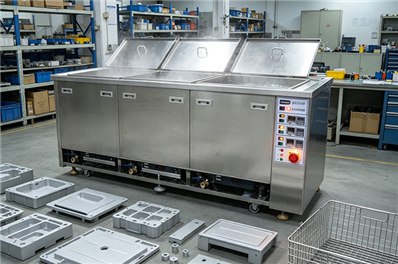 Ultrasonic Electrolytic Cleaning for Molds: Eliminate Gas Coke and Toner Residue That Causes Yellowing and Flow Marks
The Persistent Mold Contamination Problem In injection molding, the mold is the heart of production. But over time, even the best-maintained molds accumulate stubborn contaminants that no amount of wiping or solvent dipping can fully remove. Two of the
-
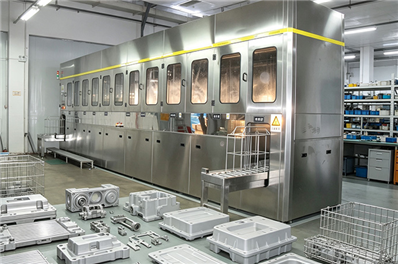 How Many Types of Electroplating Hardware Blanks Can One Ultrasonic Cleaning Machine Handle?
Walk into any hardware electroplating facility, and you will see a staggering variety of workpieces moving through the production line. Stamped brackets, machined housings, threaded fasteners, die-cast components, precision turned parts—each with its own
-
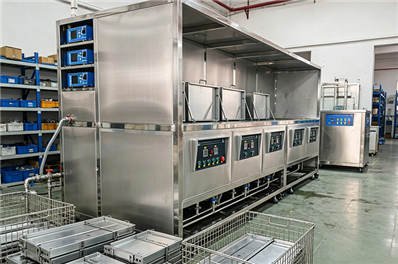 Ultrasonic Cleaning Machine: The Only Way to Eliminate Cutting Oil Sludge from Deep Grooves and Restore Plating Adhesion
For metal finishing shops and precision component manufacturers, few quality failures are as financially devastating as plating rejection caused by inadequate pre-cleaning.The scenario is painfully familiar. A batch of precision-machined components—hydrau